Table of ContentsNational Helpline - Samhsa Can Be Fun For AnyoneHow Alcohol - National Institute On Drug Abuse can Save You Time, Stress, and Money.What Is Alcoholism? - Learn About An Alcohol Addiction Fundamentals Explained
SOURCES: Mayo Center: "Nutrition and healthy eating: Alcohol: If you drink, keep it moderate." American Psychological Association: "Comprehending alcohol use disorders and their treatment." American Family Physician: "Alcoholic Abuse: How to Recognize Alcoholism." National Institute of Alcohol Abuse and Alcohol Addiction: "Alcohol Usage Condition," "Alcohol Use Disorder: A Contrast Between DSMIV and DSM5." University of North Carolina at Chapel Hill Bowles Center for Alcohol Researches: "Alcohol Addiction and Alcoholic Abuse." CDC: "Alcohol and Public Health." American Academy of Family Physicians: "Alcohol Abuse.".
'Dependency' suggests having a dependence on a compound or activity. Unlike somebody who merely 'desires' something, a person with an addiction will have physical cravings and advises for the compound they're addicted to. Being addicted to alcohol, often called being an alcoholic, suggests that you have a physical reliance on alcohol. When you consume greatly, your body gets used to the alcohol and experiences withdrawal signs if it's eliminated. Withdrawal signs include: Stress and anxiety or jumpinessShakiness or tremblingSweatingNausea and vomitingInsomniaDepressionIrritabilityFatigueLoss of appetiteHeadacheIn serious cases, withdrawal from alcohol can also involve hallucinations, confusion, seizures, fever, and agitation. These symptoms can be hazardous, so talk with your medical professional if you are a heavy drinker and desire to quit.
You have a consistent desire to reduce or stop your alcohol use, but your efforts to quit have actually been not successful. You're spending less time on activities that utilized to be crucial to you (hanging out with household and buddies, going to the health club, pursuing your pastimes) due to the fact that of your alcohol usage.
You have couple of if any interests or social involvements that don't revolve around drinking. For example, you acknowledge that your alcohol usage is damaging your marriage, making your http://hectorhmbu694.bravesites.com/entries/general/peer-review-articles-on-how-to-create-personal-model-for-addiction-treatment anxiety even worse, or causing illness, however you continue to consume anyway. how to beat alcohol addiction. Rejection is one of the greatest barriers to getting help for alcoholic abuse and alcoholism.
By keeping you from looking truthfully at your behavior and its negative results, denial likewise exacerbates alcohol-related issues with work, financial resources, and relationships. Considerably undervaluing just how much you drinkDownplaying the negative consequences of your drinkingComplaining that friends and family are exaggerating the problemBlaming your drinking or drinking-related issues on othersFor example, you may blame an 'unreasonable boss' for difficulty at work or a 'nagging other half' for your marital concerns, instead of consider how your drinking is adding to the issue.
How What Is Alcoholism? - Learn About An Alcohol Addiction can Save You Time, Stress, and Money.
If you discover yourself rationalizing your drinking routines, lying about them, or declining to talk about the topic, take a minute to think about why you're so defensive. If you truly believe that you don't have an issue, you should not have a reason to cover your drinking or make excuses. 5 myths about alcoholism and alcoholic abuse Maybe you can; most likely, you can't.
The fact is, you do not wish to stop. Telling yourself you can stop makes you feel in control, regardless of all proof to the contrary and no matter the damage it's triggering. It's real that the choice to quit drinking is up to you. However you are tricking yourself if you believe that your drinking harms nobody else but you.
Your issue is their problem. Alcoholism is NOT specified by what you consume, when you consume it, or perhaps how much you drink. It's the EFFECTS of your drinking More help that specify an issue. If your drinking is causing issues in your house or work life, you have a drinking problemwhether you drink daily or just on the weekends, down shots of tequila or stay with red wine, consume three bottles of beers a day or 3 bottles of whiskey.
Many alcoholics are able to hold down jobs, survive school, and attend to their families. Some are even able to stand out. But even if you're a high-functioning alcoholic does not imply you're not putting yourself or others in threat. Over time, the results will capture up with you. Alcohol is a drug, and alcoholism is every bit as harmful as drug addiction.
Alcoholics go through physical withdrawal when they stop drinking, just like drug users experience when they stop. Alcohol addiction and alcoholic abuse can affect all elements of your life. Long-lasting alcohol use can cause major health issues, affecting practically every organ in your body, including your brain. Alcoholism can also damage your psychological stability, finances, profession, and your capability to develop and sustain rewarding relationships.
Facts About Alcohol Use Disorder - Symptoms And Causes - Mayo Clinic Uncovered
Despite the potentially lethal damage that heavy drinking inflicts on the bodyincluding cancer, heart problems, and liver diseasethe social consequences can be simply as ravaging. Alcoholics and alcohol abusers are much more likely to get divorced, have issues with domestic violence, struggle with unemployment, and reside in hardship. However even if you're able to be successful at work or hold your marriage together, you can't get away the impacts that alcoholism and alcoholic abuse have on your individual relationships.
Often, member of the family and close friends feel obligated to cover for the individual with the drinking problem. So they take on the burden of tidying up your messes, lying for you, or working more to make ends meet. Pretending that absolutely nothing is incorrect and hiding away all of their worries and resentments can take a huge toll.
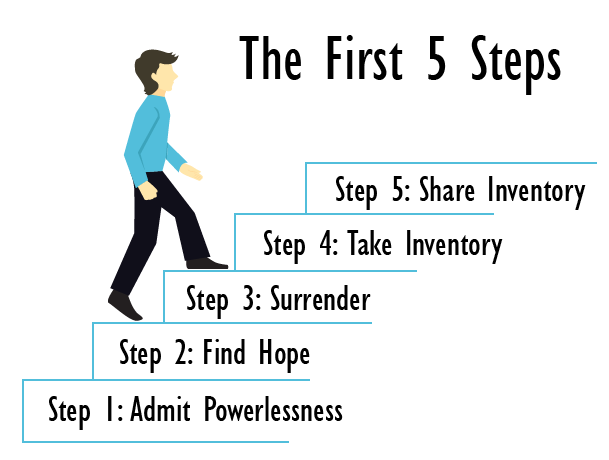
If you're ready to admit you have a drinking problem, you've already taken the initial step. It takes incredible strength and guts to deal with alcoholic abuse and alcohol addiction head on. Connecting for assistance is the second action. Whether you select to go to rehab, count on self-help programs, get treatment, or take a self-directed treatment approach, assistance is important.
Without support, it's easy to fall back into old patterns when the roadway gets hard. Your continuous recovery depends on continuing mental health treatment, discovering healthier coping strategies, and making better choices when dealing with life's challenges. In order to remain alcohol-free for the long term, you'll likewise need to face the underlying issues that caused your alcoholism or alcoholic abuse in the very first place.
Such issues might become more popular when you're no longer utilizing alcohol to cover them up. However you will remain in a much healthier position to finally resolve them and seek the assistance you need.Admitting an enjoyed one has a problem with alcohol can be unpleasant for the entire family, not simply the person drinking.